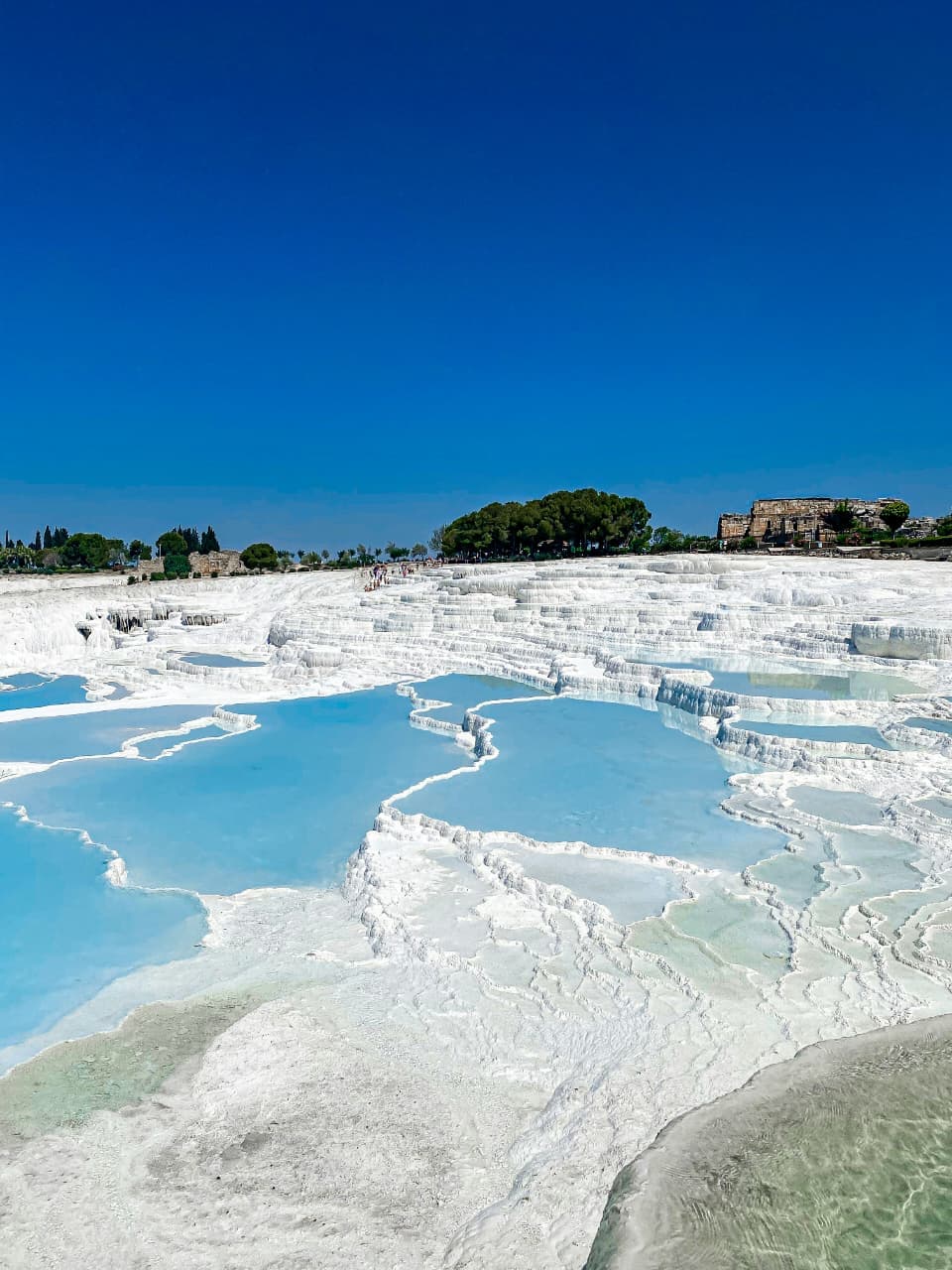


I miss Europe’s big sights. But I also miss exploring off the beaten path. And one of the most vivid places for that is in Eastern Turkey.
Even though we’re not visiting Europe right now, I believe a daily dose of travel dreaming can be good medicine. This story comes from my book “For the Love of Europe,” a collection of 100 travel tales.
I’m in Kastamonu, five hours northeast of Ankara. It’s a town that has yet to figure out the business of tourism. My hotel is cheap and comfortable, but not slick.A bank manager invites me for tea — I’m his first American customer. Outside, a funeral procession moves quietly through town. Turkey is a land of ceremonies, where daily life is punctuated with meaningful rituals.
Driving inland toward Erzurum, life grows harder. Blood feuds still exist, winters are brutal, and villages survive on ducks, dung, and hay.Yet the land surprises you with lush valleys, sun-dried apricots, hazelnuts cracked open with teeth, and shepherd children playing eagle-bone flutes.
Villages welcome us warmly. Hay crowns rooftops for insulation, cow pies are stacked for fuel, and women beat raw wool into future carpets and dowries.This is subsistence living, rich with culture and resilience.
Driving east toward Mount Ararat, the land feels biblical. Ancient lava flows, stark plains, and windswept ridges feel unchanged since Noah’s time. A lone Kurdish man waves from a ridge — a reminder of the unresolved political tensions and humanity beneath the headlines.At sunrise over Mount Ararat, I spot a convoy of Turkish army vehicles. It’s a reminder that the news often misses the human reality.To understand that humanity, you need to travel.
I was supposed to land in Istanbul today, but instead I’m home — dreaming. Here’s a memory from a past visit. After nearly a decade away, I return to the city where East meets West, wondering what has changed and what remains the same.
Stepping off the plane, I remember how much I love this country. A smiling taxi driver greets me with ‘Merhaba,’ and I reply instinctively, ‘Çok güzel!’. The tangled streets of Sultanahmet buzz with life, just as they always have.
Old dolmuş memories flood back — minibuses once stuffed with passengers, kids yelling destinations through open doors.Turkey has grown more affluent, but the echoes of that chaotic charm still bounce around my memory.
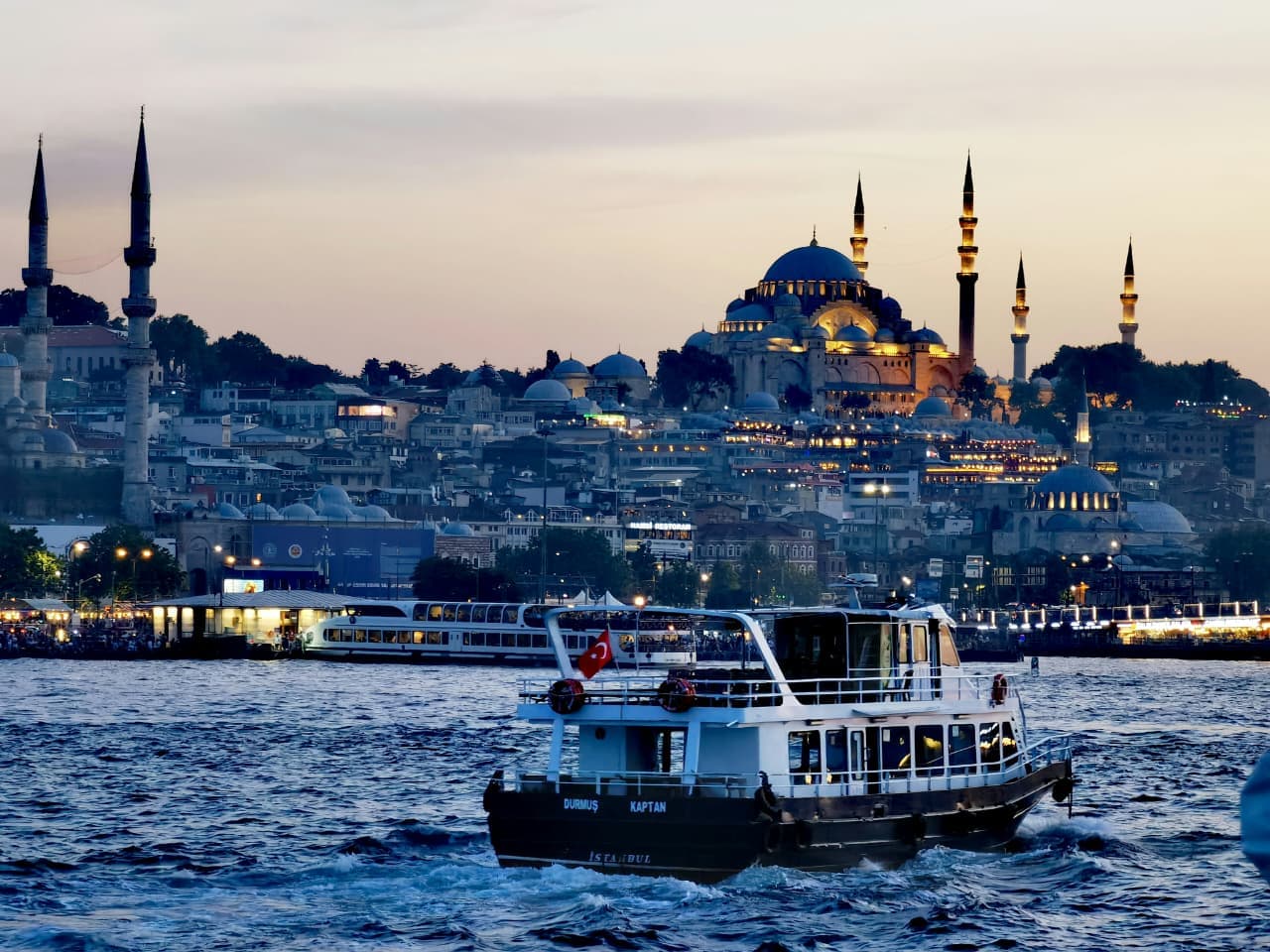
Istanbul today is thriving, home to over 15 million people. A new tunnel beneath the Bosphorus connects Asia and Europe — modern Turkey in concrete form.The city bridges old empires and new ambitions. Crossing the Galata Bridge, I miss the old crusty bridge, but the street life remains — fishermen, bread sellers, water pipes.Cultural inertia is powerful.
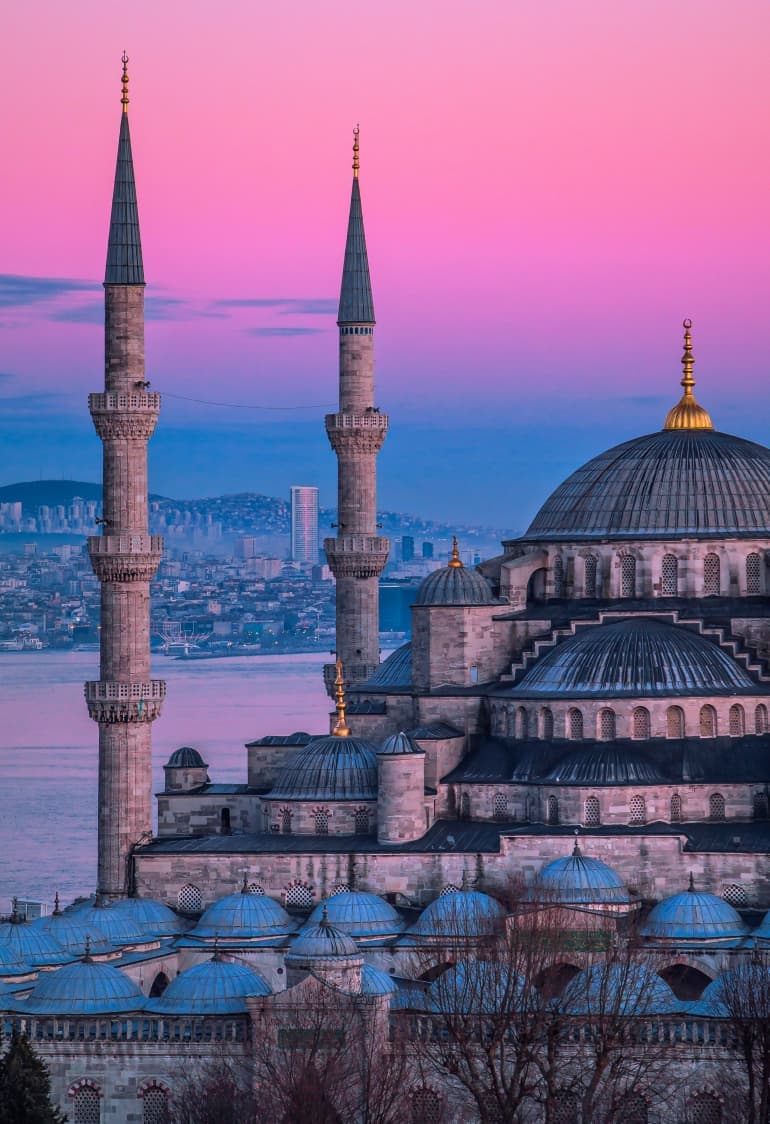
At the Blue Mosque during Ramadan, families gather, prayers echo, and minarets glow. A new carpet replaces the old — order replaces chaos — but the spiritual weight remains. Caught in a surge of worshippers exiting the mosque, I experience a rare moment of shared humanity.
Seagulls wheel through the floodlit minarets — another Istanbul déjà vu.I end my day with sütlaç and a game of backgammon with a stranger — a ritual I began decades ago.Some things change, others never do. Turkey balances progress with tradition.
Turkey remains one of the most rewarding places I’ve ever traveled. It pushes you out of your comfort zone and into deeper understanding. People-to-people travel matters more than ever.